
Community Hand Pump: Empowering Rural Pakistan with Pure Water Access
Access to clean and safe drinking water is a basic necessity for rural communities in Pakistan. In areas where the Total Dissolved Solids (TDS) of water is below 1,000 and water is uncontaminated, the installation of community hand pumps has proven to be a vital lifeline. This article explores the significance of community hand pumps in providing pure water to rural Pakistan, highlighting their role in community empowerment, health improvement, and sustainable development.
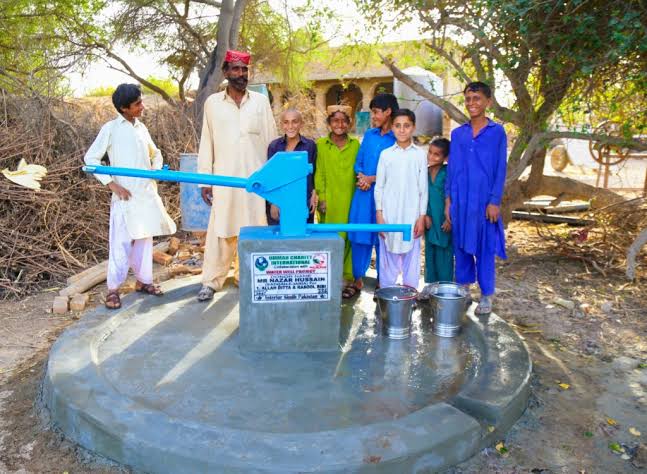
Cost: USD 4000 Per Installation
Server: 1500+ Community People
Installation Time: 4 Weeks
Uniting Communities through Community Hand Pumps:
Community hand pumps serve as a central water source for villages, bringing together communities and promoting collective responsibility for accessing clean water. These pumps are manually operated, requiring community members to work together for the installation, maintenance, and management of the water supply. By fostering collaboration and a sense of ownership, community hand pumps empower rural Pakistan to address their water needs collectively.
Advantages of Community Hand Pumps:
1. Reliable and Sustainable:
Community hand pumps provide a reliable and sustainable water supply in areas with uncontaminated water and acceptable TDS levels. These pumps draw water from underground aquifers and wells, ensuring a consistent supply of pure water for community members. The simplicity of their design makes them less prone to mechanical failures, and their manual operation eliminates the dependency on external energy sources, making them a resilient solution for rural areas.
2. Health and Sanitation:
Access to clean water through community hand pumps has a significant impact on community health and sanitation. Pure water reduces the risk of waterborne diseases and improves overall hygiene practices. With a nearby water source, community members can easily access clean water for drinking, cooking, personal hygiene, and sanitation purposes. This contributes to a healthier community and reduces the burden of water-related illnesses.
3. Social and Economic Development:
Community hand pumps play a crucial role in fostering social and economic development in rural Pakistan. The availability of clean water supports various activities, such as agriculture, livestock farming, and small-scale industries, leading to increased productivity and income generation. Moreover, with reduced time spent on water collection, community members, especially women and children, can focus on education, skill development, and other productive endeavors, unlocking their potential and improving livelihoods.
4. Community Empowerment and Ownership:
The installation and maintenance of community hand pumps involve active community participation, promoting a sense of ownership and responsibility. Local residents take pride in maintaining the hand pumps, ensuring their longevity and sustainability. This community-led approach encourages self-reliance, empowers individuals, and strengthens social cohesion within the community.
Community hand pumps are a vital solution for providing pure water to rural communities in Pakistan where water is uncontaminated and TDS levels are below 1,000. These pumps unite communities, empower individuals, and contribute to improved health, sanitation, and socio-economic development. Through community participation and ownership, rural areas can ensure the long-term sustainability of their water supply, fostering resilience and self-sufficiency. It is essential for government bodies, non-profit organizations, and community members to collaborate and invest in the installation, maintenance, and management of community hand pumps, enabling a brighter and healthier future for rural Pakistan.
